
Unfinished
A failed mission at the Atlas Mountain Race

Cold, sick, and alone, less than 24 hours into the Atlas Mountain Race. I knew my race was over, essentially before it even started. Months of preparation and motivation, gone.
Ultra cycling is perhaps the thing I love most in this world. It’s a beautiful place where I’m completely in the flow, connected to movement and a feeling of being truly alive. It’s often where I feel my most confident and capable. But the wondrous highs and peak experiences are paired with the shadow of facing difficulty and pain. The thing you love most can also hurt you, offering amazing wonder and amazing disappointment.
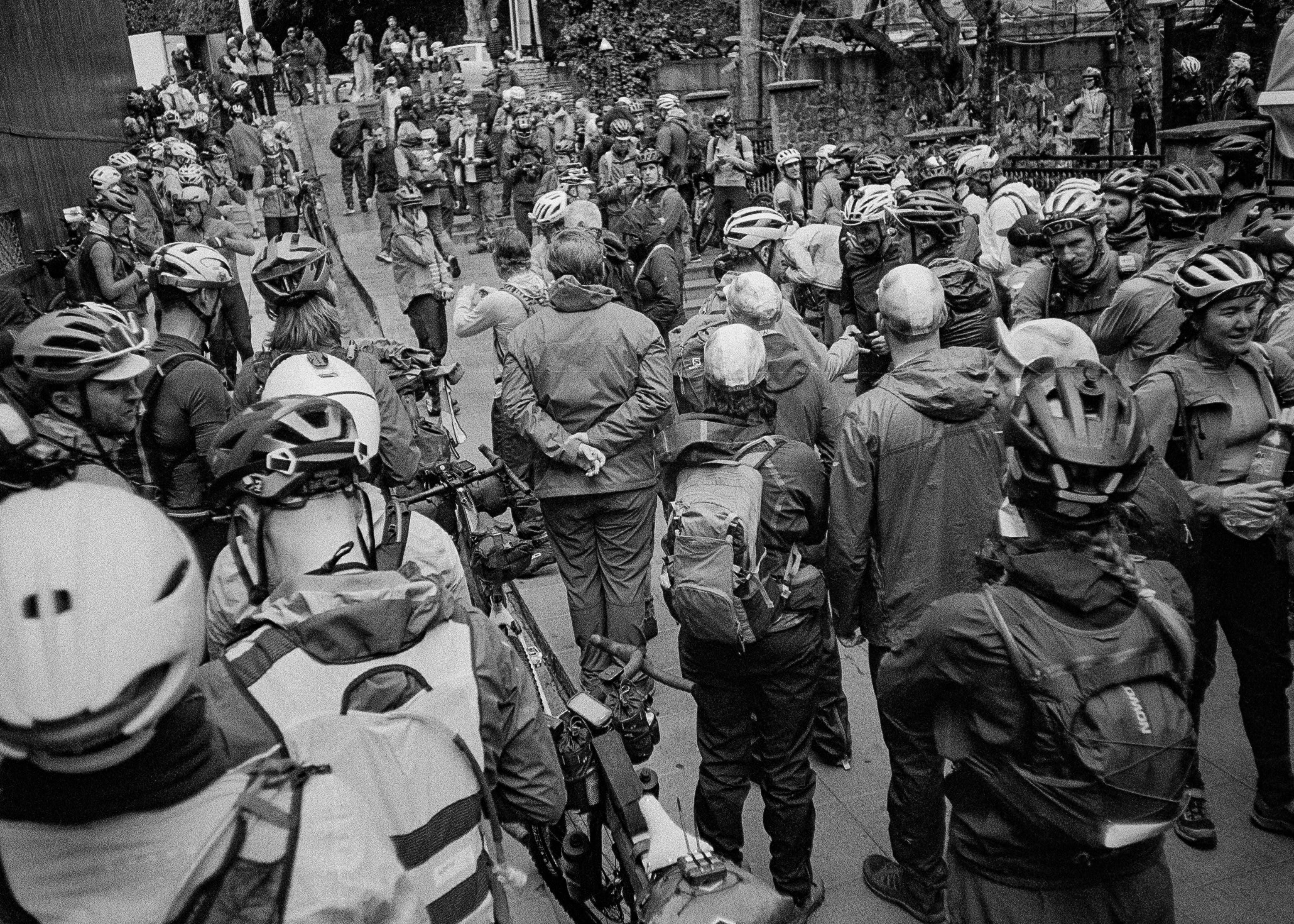
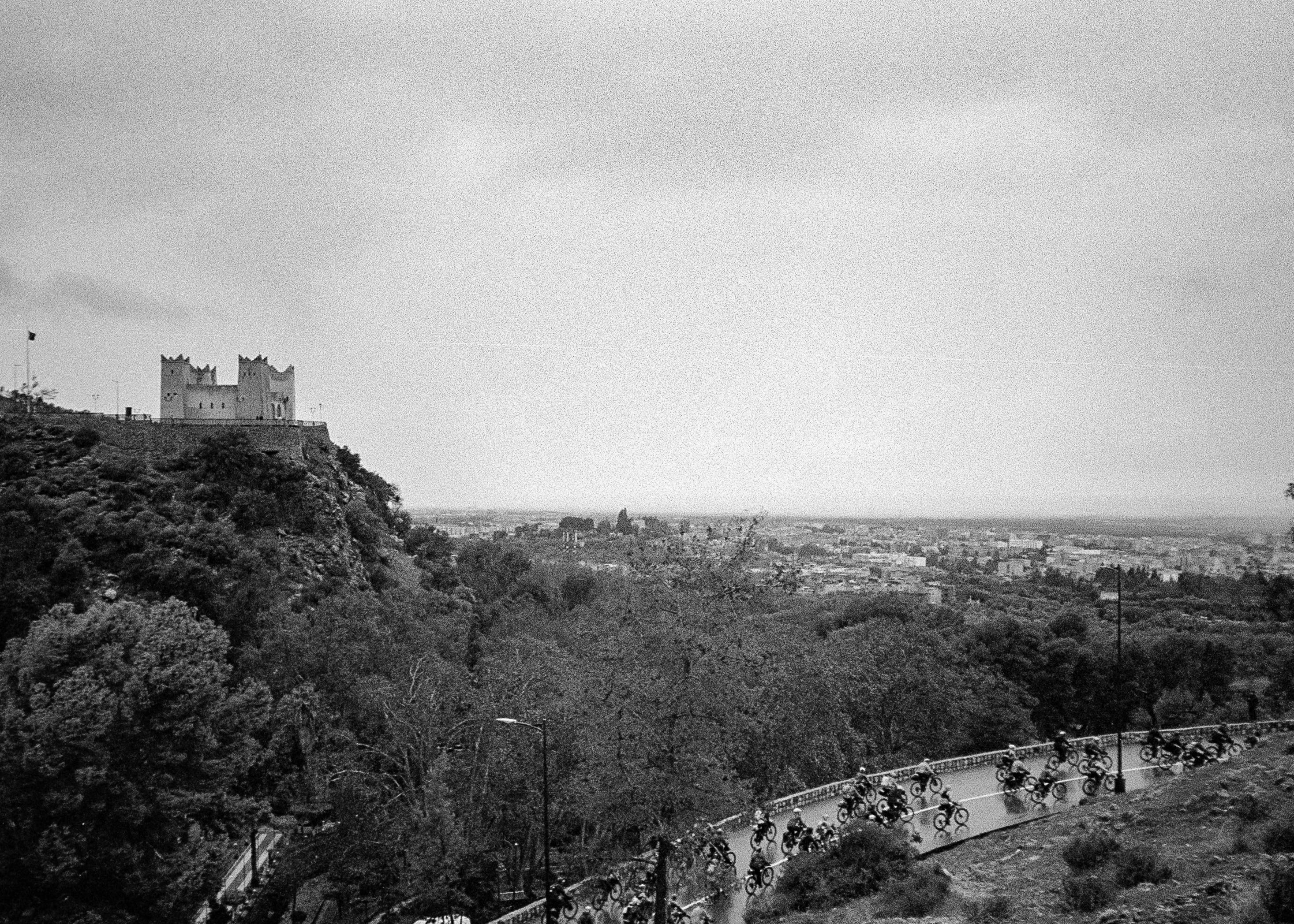
I came into the Atlas Mountain Race feeling quite prepared. I trained hard through the fall and early winter months, a solid mix of ski touring, strength training, and bike riding. I meticulously planned my bike and gear setup. I had a plan and a goal of finishing in the top 20.
The trip to Morocco started off with a bit of stress, with my final bike setup coming together at the last minute due to availability issues with on the bike luggage, coupled with flight delays and rebooked itineraries meant there was a bit of a scramble to get to the start. The night before the race I tossed and turned with stomach pain, which would be an ominous precursor to my eventual demise.
An added stressor, which everyone faced, was the wild weather and resulting route changes to the start of the race. Morocco has been experiencing a very wet winter, ending a 7 year drought in the country. This meant sections of the beginning of the planned course were at risk of flash flooding and deep snow in the initial Atlas crossing, so the organizer was forced to do a reroute on a long section of paved roads.
The race started at 5pm with torrential rain for most of that first night. As we gained elevation and reached the high point, temperatures dropped below freezing and the road was frozen over in ice and snow. My bike was soon covered in a layer of ice, and I had to stop to chip away my frozen derailleur to be able to shift gears. I was able to stay mostly warm, having come prepared with quality layers. It was a battle out there though. At one point fellow Substacker and eventual 4th place finisher Chris Mehlman passed me shouting that he peed on his freehub to melt away the ice. Desperate.
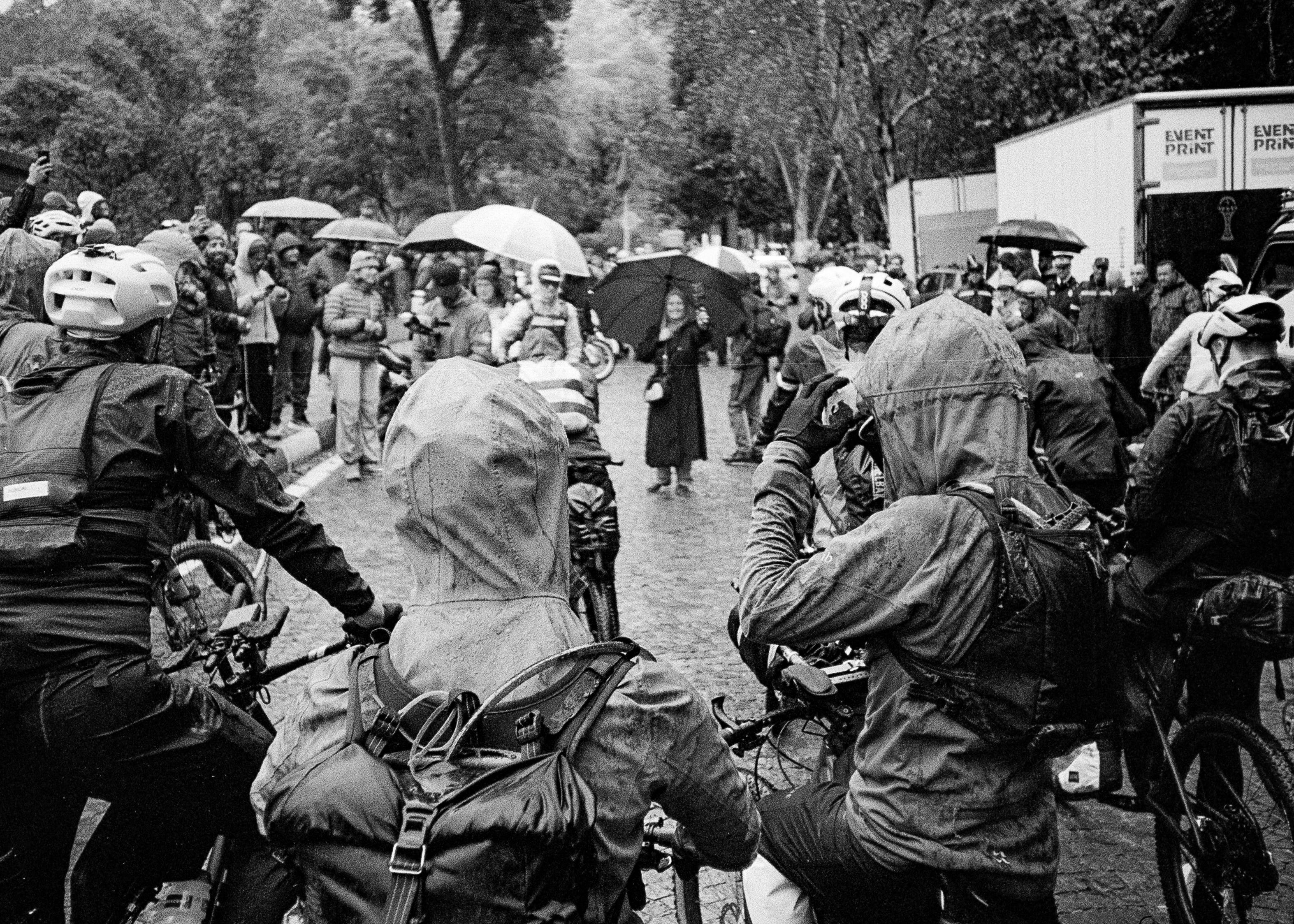
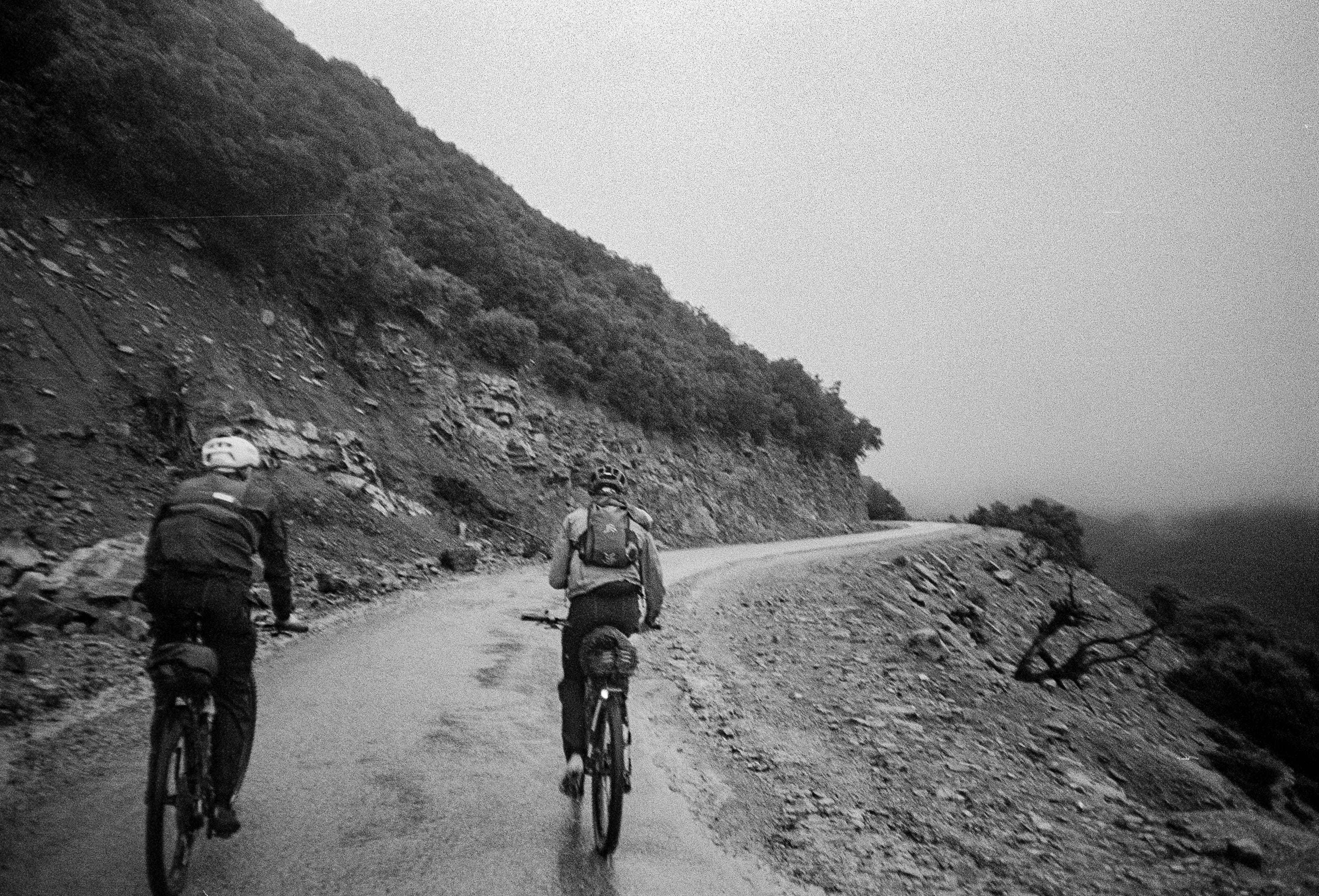
I started strong, feeling great initially. I was somewhere in the top 20 of the field for that first night, right on schedule with my plan. If anything I was playing it pretty conservative, trying to ride my own pace and get through the night. I was fueling well, staying on top of hydration, and minimizing stopped time. But as the early morning hours approached something flipped. My body started feeling oddly drained, a sensation I haven’t experienced in an ultra before. Deep waves of nausea and dry heaving soon followed, and soon I couldn’t keep food or water down. I’m someone who believes in listening to my body, and have a strong intuition about what it’s telling me.
I knew my race was over. I felt terrible, and I’m still, over two weeks later, fighting off this virus. It would have been irresponsible to keep going.
So there I was, in a small Moroccan village on the outskirts of the Atlas Mountains, halfway across the world, scratching from a big goal race, devastated. The following days were rough. There’s a deep loneliness, a sort of empty feeling that comes from quitting an ultra. Due to the self-supported nature of the sport, I had to get myself out of there. A mixture of long taxi journeys with some riding to get back to Marrakech, all while following the race from the sidelines stung. Feeling physically and mentally empty, I felt like I didn’t belong in this sport. A failure.
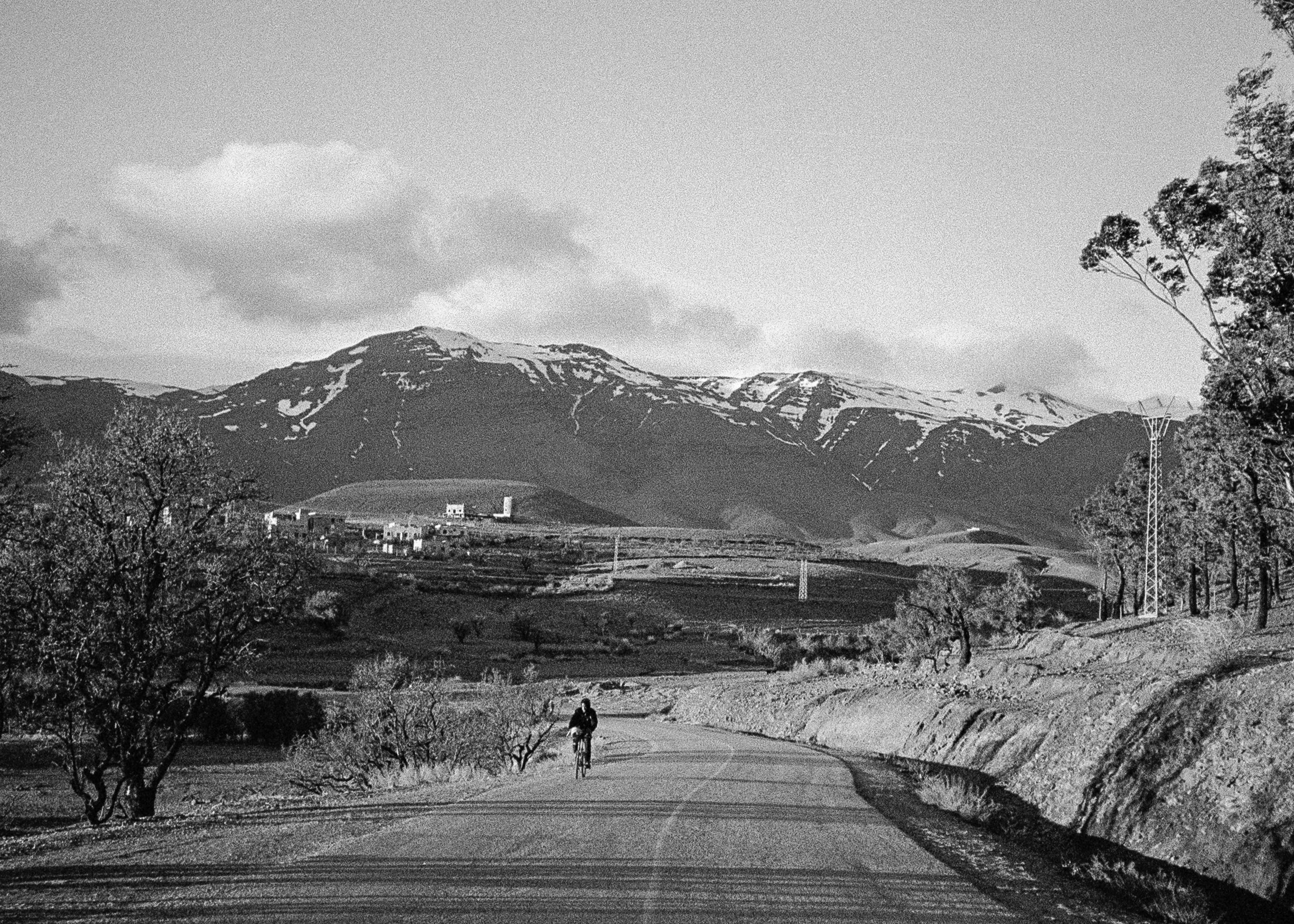
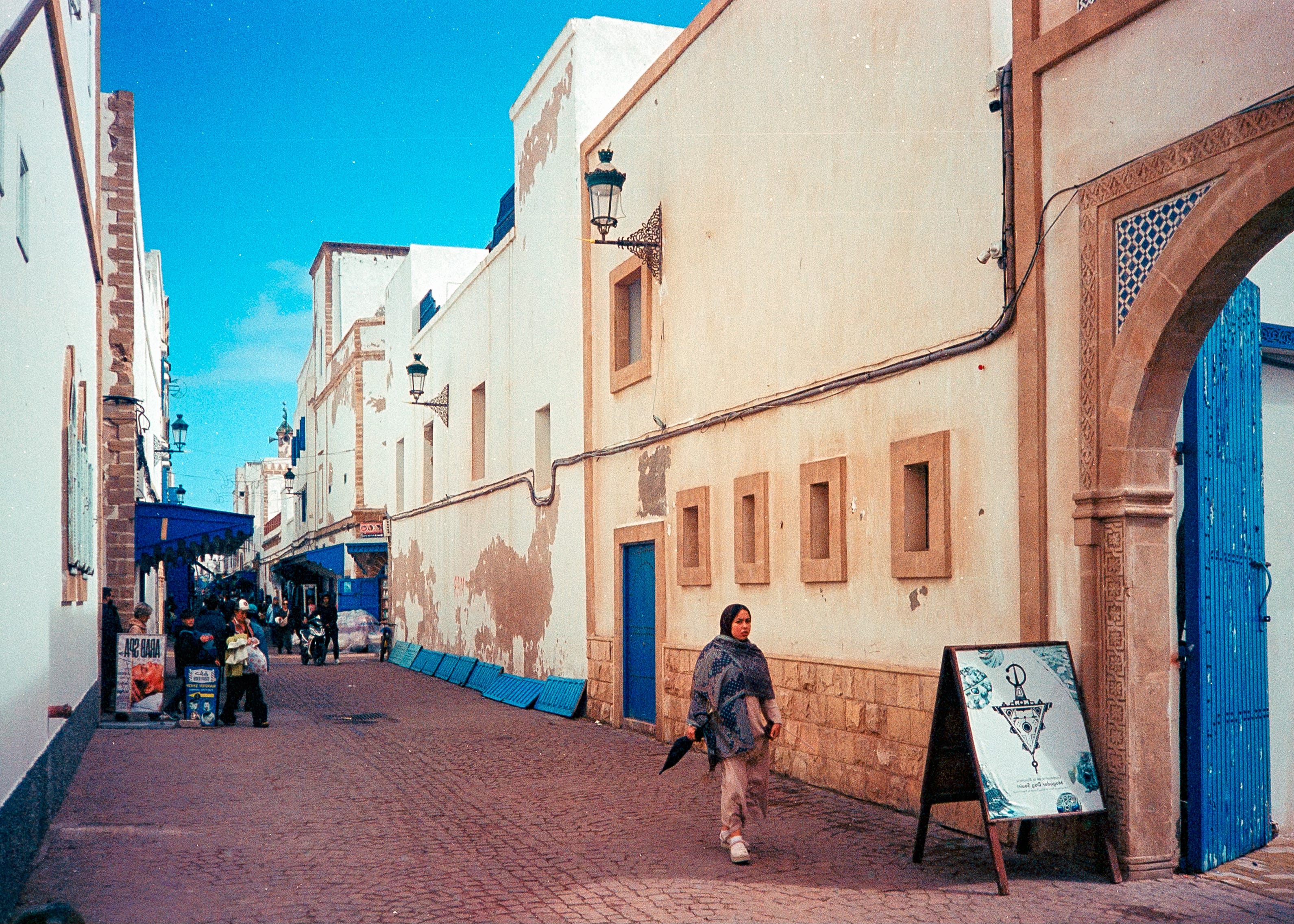
I kept replaying the scratch over and over in my head. Was this weakness or wisdom? Did I just quit when it got hard and uncomfortable? Could I or should I have pushed through the sickness?
This stabbed at my identity as an endurance athlete - someone who works hard to push myself through challenging moments and experiences which lead to great rewards. I derive incredible meaning from the alchemy of difficulty into nirvana. It’s why I’m drawn to this sport; it’s a unique opportunity to step into the arena of discomfort and personal challenge. It’s shaped how I relate to sport and adventure. But at the same time, there’s a hardo culture within ultra endurance sport that can border on toxic. I’m guilty of falling into this trap. Do we really need to push through potentially dangerous situations to reach our goals? To “succeed”? DNF’ing and scratching are so stigmatized in sport, and the social media culture around doing epic shit can lead to amplified disappointment when things don’t go to plan. There's a meaningful difference between quitting and making an intelligent decision to stop. But there’s also a fine line with that distinction. A DNF is a DNF. And sitting in a guesthouse, sick and exhausted and watching everyone else's race unfold, I wasn't sure which one I'd done.
During those first few miserable days I tried a reframe, asking myself, “what would I say to an athlete I was coaching in this exact position?” It helped me get out of my head and find clarity from the outside. I’d tell them it’s part of the game. It’s a risk we all take when we step into this arena, and that the stars often have to align to have a perfect race. The long game matters much more than a single race. Sustainable performance means knowing when to stop, not just knowing when to suffer. There's a version of this sport that mistakes suffering for virtue, and I knew that pushing through sickness would be ego-driven to avoid the shame of scratching. But this is not why I love this sport. It’s the beauty of exploring the world on my bike, the way pushing myself makes me feel alive. That was lost when I got sick. Stopping was the right call. It doesn’t eliminate the sting, but it gives me the grace to move forward towards the next one.
The Atlas Mountains aren’t going anywhere, and neither is the part of me that wanted to be there. It’s time to reset, get back to work, and build towards the next adventure.
- jackson
I don’t know you but I am proud of you. Knowing when to stop is 90% of the battle sometimes, and the consequences are often a lot greater than a bruised ego and disappointment. Well done.
Beautiful writing Jackson! Proud of you for stepping back, taking care of yourself, and for keeping your head up in the mental challenge of the days after, too. Thanks for sharing.